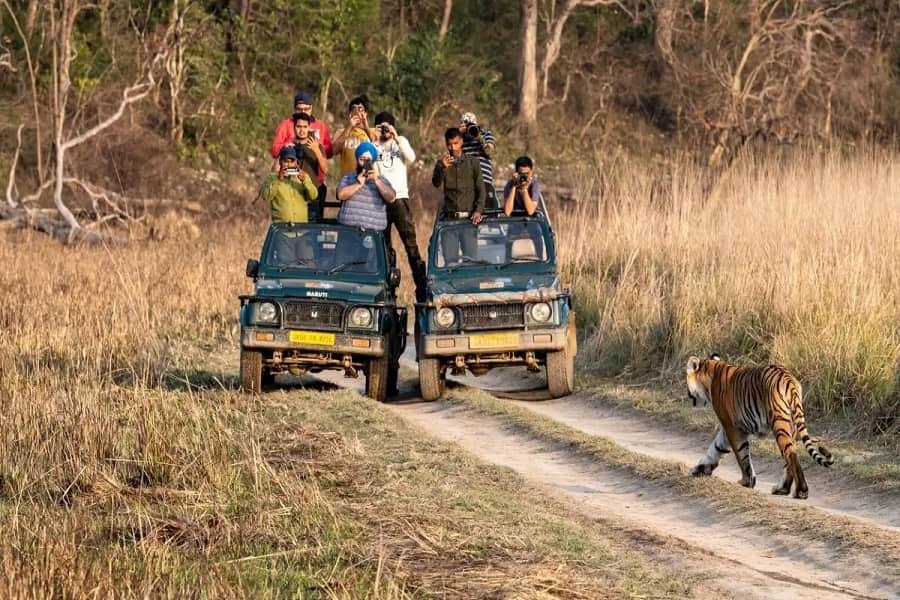
India is one of the world’s most diverse wildlife destinations, offering everything from tiger safaris in dense jungles to river cruises through rhino habitats and lion tracking in dry forests. With over 100 national parks and 50+ tiger reserves, timing your safari correctly can significantly enhance your experience.
So, when is the best time for wildlife safaris in India? The answer depends on what you want to see — tigers, birds, lush landscapes, or comfortable weather. Let’s explore season by season.
Wildlife Safari Season in India (October to June)
Most national parks in India are open from October to June, while many close during the monsoon (July to September) due to heavy rainfall and breeding season. Each phase within the safari season offers a unique experience.
Winter (October to February) – Best for Comfortable Safaris
Winter is the most popular time for wildlife travel in India. The weather is pleasant, especially for morning and evening safaris.
Why Visit in Winter?
- Cool temperatures (10°C–25°C)
- Comfortable safari conditions
- Excellent birdwatching season (migratory birds arrive)
- Lush post-monsoon greenery
Ideal Parks in Winter:
- Ranthambore National Park
- Jim Corbett National Park
- Kaziranga National Park
- Kanha & Bandhavgarh (Central India)
Best for: Families, first-time travelers, photographers, and those prioritizing comfort.
Summer (March to June) – Best for Tiger Sightings
If your primary goal is to see a tiger in the wild, summer is often considered the best time. As temperatures rise, water sources shrink, and animals gather near lakes and waterholes — making sightings more frequent.
Why Choose Summer?
- Higher probability of tiger sightings
- Sparse vegetation improves visibility
- Fewer tourists compared to peak winter
- Dramatic wildlife photography
Temperatures can reach 35°C–45°C in central India, but serious wildlife enthusiasts often find the heat worth it.
Best Parks in Summer:
- Bandhavgarh National Park
- Kanha National Park
- Pench National Park
- Ranthambore National Park
Best for: Wildlife enthusiasts and photographers focused on big cats.
Monsoon (July to September) – Limited Safari Access
Most core safari zones close during the monsoon due to heavy rains and conservation practices. However, some buffer zones and parks may remain open.
What to Expect:
- Lush green landscapes
- Fewer tourists
- Limited safari routes
- Dense foliage reducing animal visibility
Monsoon is not ideal for tiger sightings but it can be rewarding for nature lovers seeking serene landscapes and biodiversity.
Region-Wise Best Time for Wildlife Safaris
Central India (Madhya Pradesh & Maharashtra)
Best Tiger Sightings: March–May
Pleasant Weather: November–February
Rajasthan (Ranthambore & Sariska)
Best Tiger Visibility: April–June
Gujarat (Gir National Park – Asiatic Lions)
Best Time: December–April
Assam (Kaziranga National Park – Rhinos)
Best Time: November–April
So, what is the best month overall?
✔ For maximum tiger sightings → April & May
✔ For comfortable weather → November to February
✔ For birdwatching → December to February
✔ For fewer crowds → Early March
There is no single perfect month — it depends on your priorities.
Safari Planning Tips
- Book safaris 2–3 months in advance during peak season.
- Opt for multiple game drives to increase your chances of sightings.
- Choose core zones for better wildlife density.
- Stay near park gates for early access.
- Combine two parks for a richer wildlife experience.
Final Thoughts
India’s wildlife safari season offers something unique in every month from October to June. Whether you prefer cool winter mornings in Ranthambore or intense summer tiger tracking in Bandhavgarh, your experience will be shaped by the season you choose.
If your goal is comfort, travel in winter. If you dream of spotting a tiger in the wild, summer offers the highest chances. With the right planning, a wildlife safari in India can become one of the most thrilling journeys of your life.